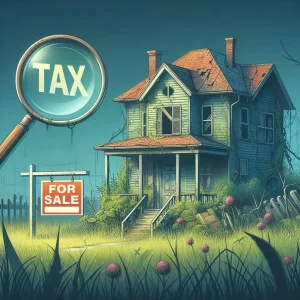
Vacant Home Taxes
Vacant home taxes have emerged as a significant policy tool in Canada to combat the escalating housing affordability crisis. These taxes aim to discourage the practice of leaving residential properties empty, with the intended effect of increasing housing supply and making homes more accessible for residents.
Purpose and Rationale
The primary purpose of vacant home taxes is to reduce speculative investment and increase the supply of housing in cities with severe affordability challenges. Speculation occurs when investors purchase properties not for居住 but as assets they hope will appreciate over time. This can drive up housing prices, making it difficult for locals to afford homes in their own communities.
By taxing vacant properties, governments aim to make it less financially appealing to leave homes empty. The goal is to encourage owners to either rent or sell their properties, thereby adding to the available housing stock. This increased supply is expected to help stabilize or even reduce housing prices, making it more attainable for Canadians to find suitable homes.
Implementation in Different Jurisdictions
Vacant home taxes have been implemented at various levels of government in Canada:
- Federal: The Underused Housing Tax (UHT) is a federal tax levied at an annual rate of 1% on the value of vacant or underused residential properties owned by non-residents and certain Canadian entities.
- Provincial: British Columbia’s Speculation and Vacancy Tax (SVT) applies to specific urban areas, taxing foreign owners, satellite families, and Canadians living outside of the province at higher rates on vacant properties.
- Municipal: Cities like Vancouver, Toronto, and Ottawa have their own vacant home tax programs, with varying tax rates and implementation details.
Exemptions
Vacant home tax policies typically include exemptions to ensure that they do not unfairly penalize individuals with legitimate reasons for keeping properties unoccupied. Common exemptions include:
- Primary residences
- Seasonal or vacation homes
- Properties undergoing major renovations
- Properties where the owner is deceased or has been admitted to long-term care
- Properties subject to legal restrictions preventing occupancy
Criticisms and Concerns
Vacant home taxes have been met with criticism and concerns, including:
- Effectiveness: Some argue that the taxes may not be very effective in significantly increasing housing supply, as the number of vacant homes may be relatively small.
- Enforcement Challenges: Administering and enforcing these taxes can be complex, requiring resources to track property ownership and occupancy status.
- Unintended Consequences: Critics suggest that the taxes could discourage investment in new housing development or lead to higher rental costs if landlords pass on additional taxes to renters.
- Targeting of Foreign Owners: Some raise concerns that taxes like the UHT unfairly focus on foreign owners, despite the fact that domestic speculation can also play a role in housing market dynamics.
Potential Impacts
While the long-term consequences of vacant home taxes are still being analyzed, they have the potential to influence the housing market in several ways:
- Increased Housing Supply: The taxes could potentially lead to more vacant homes being put on the rental or sale market, adding to the housing stock.
- Moderating Price Appreciation: Increased supply may help to slow down the pace of house price increases, making housing more affordable.
- Revenue Generation: The taxes can provide a source of revenue for governments to invest in affordable housing initiatives or other community needs.
- Behavioral Changes: Speculative investors may be deterred from purchasing multiple properties if they are likely to face vacancy taxes.
The Evolving Debate
The effectiveness and consequences of vacant home taxes are likely to continue to be debated as more data becomes available. Here are some additional considerations in this evolving discussion:
- Addressing Underlying Causes: While vacant home taxes can be one policy tool, it’s important to recognize that the housing affordability crisis is multifaceted and requires a comprehensive set of solutions.
- The Need for Data: More rigorous data collection and analysis are needed to fully measure how many properties are left vacant, the reasons behind vacancy, and the impact of the taxes on housing supply and affordability.
- Equity Considerations: Policymakers must consider how vacant home taxes might impact different populations, such as seniors, people with disabilities, and low-income households, to ensure that they are not unfairly burdened.
Conclusion Vacant home taxes are a relatively new policy tool in Canada. While their effectiveness and long-term impact are still under assessment, they represent an attempt by governments to address a complex and urgent issue – housing affordability.

